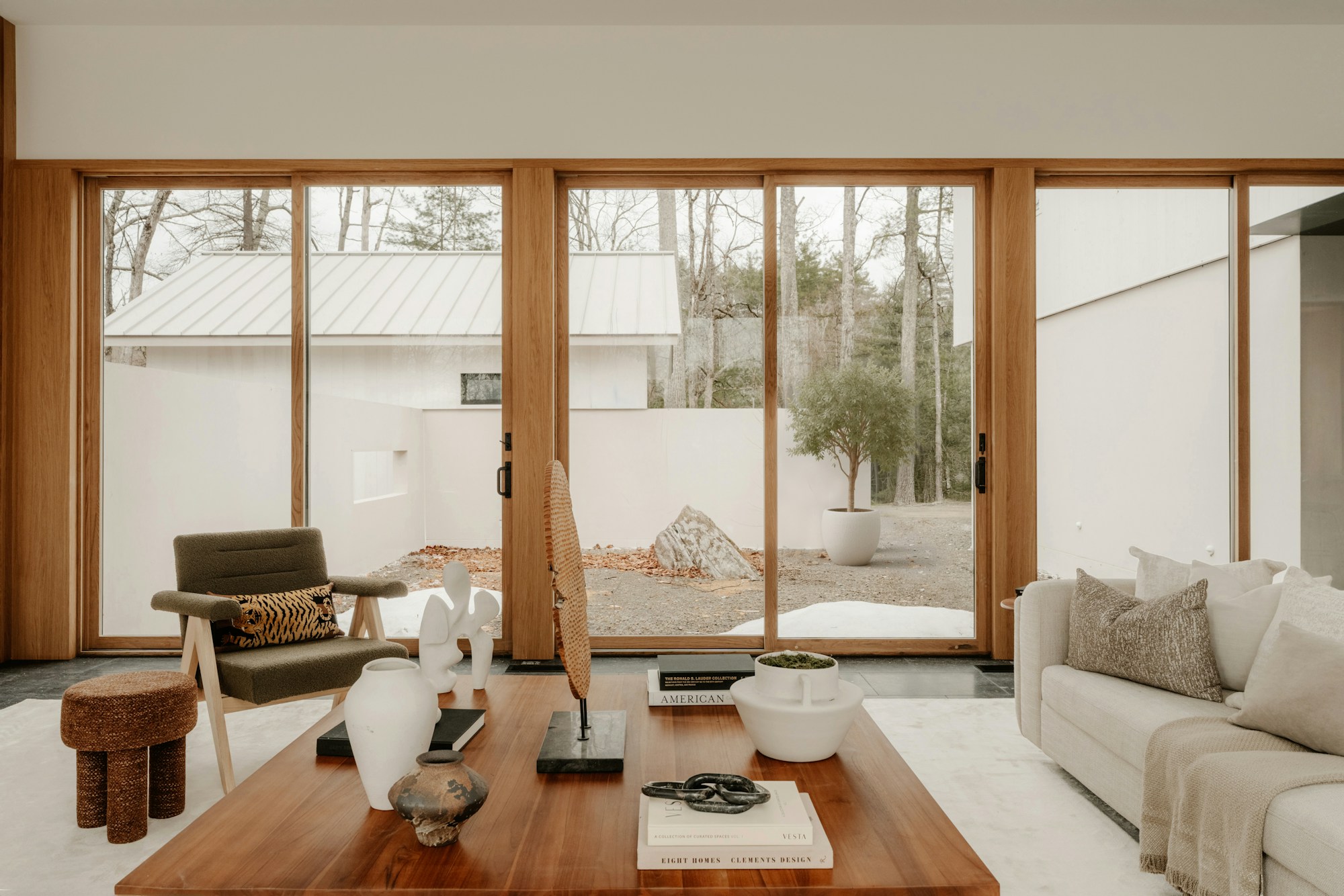
What UV film protects
Hardwood and engineered floors, area rugs and carpet, upholstery and drapes, leather furniture, wood cabinetry and trim, artwork, photographs, and even some countertops. Anything that sits in a sun path is fading a little every day; the process is gradual and usually only obvious once you move a piece of furniture and see the line.
Near-invisible, goes on almost any window
The films used specifically for fade control are optically clear — installed, you can't tell a window has it. There's no darkening, no color cast, no change to the view. That makes it the easy choice for windows where you don't want any visible film at all: street-facing rooms, formal spaces, and windows with a view you don't want to touch.
UV is most of the story, but not all of it
UV causes the majority of fading, so blocking 99% of it dramatically slows the damage. Visible light and heat also contribute over time. If a room gets punishing direct sun, a spectrally-selective solar film gives you fade protection plus heat and glare control — see solar & heat-rejection film. For a room where you only care about protecting what's inside, clear UV film is the right tool.
Skylights, sliding doors, and problem panes
Skylights and south-facing sliding doors are common fade culprits and are good candidates for clear UV film. We check each pane's glass type first — skylights in particular are often tempered or laminated units that need the right film — and confirm compatibility before quoting.